Reducing Fuel Consumption and Carbon Footprint
with
Process Systematization Methods
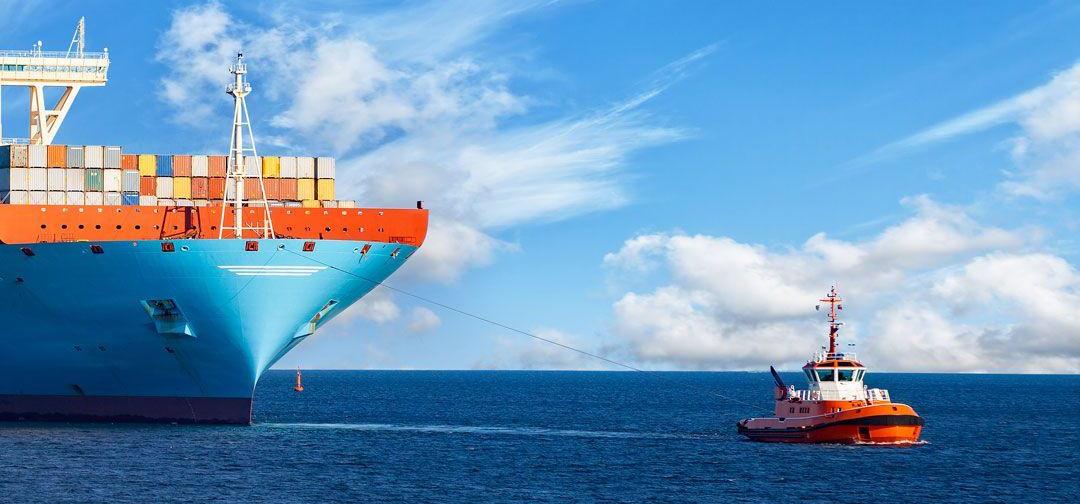
Successful implementation of Integrated Process Systematization Plan has to potential to reduce the marine fuel consumption of a port substantially.
Integrated Process Systematization Plan employs innovative methods using advanced technologies to reduce fuel consumption in marine operations of a port. Using innovative methods and cutting edge technologies, we optimize the business process that is suitable and specific to an organisation. We help the port operators to streamline processes, identify the flaws, implement better methods. provide training to key personnel to achieve the results.
Up to 60% Reduction in Fuel Costs
Implementing Process Systematize Methods, we achieved a 46% reduction of fuel cost in marine operations.
With best use of emerging technologies, and methods, operational fuel consumption cost has been saved to a visibly large extent. The operations were streamlined with better maneuvering practices and training to pilots and tug masters. The perfect mix of maritime finance, AI, ML, Statistical methods, Big Data Analysis, and Simulations and Algorithms that is setting the new paths creating unbelievable results.
How We Develop and Implement the StM Plan?
Step-1: Review Existing Operational Procedures and Activities
Critically analyse and understand the existing processes of marine operations in the port. It includes, maneuvering methods and practices, pilotage operations, tug movements, general practices of the port’s marine operations etc.
Step-2: Study of the Current and Wind Patterns
Understand the spatial and historical distribution of current and tidal stream patterns. Carry out an hydrodynamics study of the harbor. Carry out a Computational Fluid Dynamics (CFD) study of the river flow and / or tidal flow as required if necessary.
Step-3: Analyse the Maneuvering Practices and Methods and Fuel Consumption thereby
Collect the necessary data from relevant and reliable sources for analysis. Study the collected data using big data analysis methods. Use AI, ML and digital twin technologies to understand the flaws and loopholes in the system. Once these are identified develop methods to plug in those loop holes in the existing procedures.
Step-4: Develop StM Plan
Once the drawbacks, loopholes in the system are apparent it becomes easier to develop methods to plug in those loop holes. Devise better methods using same technologies with a view of fuel optimization without loosing the sight of Safety and Time Savings.
Step-5: Implement StM Plan
Implementing of the plan takes time and is done in a phase manner after due consultation and training of the stake holders. Implementation needs regular review of the processes and ascertaining the percentage of results achieved.
Step-X: Continuous Review and Further Streamlining
Once Optimization Plan is implemented fully, it needs periodical review to further optimize the system. As better methods and technologies keep evolving with time, periodically we need to integrate these changes in the process.
Example of How it Worked


Contact Us
To explore our services, contact us
Cost effective, reduced time delays and improving on carbon footprint of industries.
We promote Environmental Conscious Business.
Use Our Innovative Methods and Solve the Economic Woos of Your Organisation
Green Operations and Green Procedures with reduced cost and improved safety standards. We feel concerned and We care for the future.
 esixm.com